POS Solution for Retail: Our Point-Of-Sale System Streamlines Sales And Inventory Management For Your Store
Features and Capabilities
Imagine strolling into a dynamic retail store where the POS software application works like a well-oiled device, easily weaving together sales, stock, and customer information. What functions make this possible? More importantly, how do these abilities change the daily grind into a seamless experience?
Core Performances That Drive Retail Success
- Sales Processing: Quick and precise deal handling with barcode scanning, numerous payment options, and instantaneous invoice generation.
- Stock Management: Real-time tracking to avoid stockouts and overstock, total with automated reorder notifies.
- Customer Relationship Management (CRM): Loyalty programs, customer profiles, and purchase history to personalize the shopping experience.
- Reporting and Analytics: Detailed sales reports, revenue margins, and pattern analysis that empower smarter service decisions.
- Worker Management: Time clocks, shift scheduling, and efficiency tracking developed right into the system.
But what about those unforeseen moments, when a rush of consumers floods the shop or a promotional occasion sends out sales soaring? Without robust POS capabilities, chaos might rapidly occur. A buddy of mine as soon as owned a little store where the checkout procedure was painfully sluggish, triggering long lines and annoyed customers. After updating to a system with innovative functions, the distinction was night and day-- transactions flew by, and personnel had more time to engage shoppers.
Advanced Characteristic That Elevate Retail Operations
- Omnichannel Combination: Synchronizes sales across physical and online shops to maintain constant inventory and customer information.
- Mobile POS: Changes smart devices or tablets into checkout terminals, perfect for pop-up stores or busy aisles.
- Personalized Interface: Adjust screens and workflows to match the special rhythms of your service.
- Security Procedures: Encrypts delicate information, ensuring safe transactions and compliance with industry requirements.
Do you ever wonder how some merchants appear to expect customer requirements before they even ask? It's Easy to Use POS System more than instinct-- it's the power of intelligent POS software. By analyzing purchase patterns and stock circulation, the software can recommend restocking techniques and advertising deals customized to real-time data.
| Feature | Benefit | Effect on Retail |
|---|---|---|
| Real-time Stock | Prevents stock inconsistencies | Minimizes lost sales and improves consumer fulfillment |
| Consumer Commitment Tracking | Customizes marketing | Boosts repeat organization and brand name commitment |
| Mobile Checkout | Accelerate lines and sales | Boosts client experience during peak hours |
In the end, the real power of retail POS software application lies in its ability to adjust-- to change into the foundation of your company, supporting every sale, every customer interaction, and every tactical move. So, what features does your ideal system need to raise your retail video game?
Checking Out Varieties of Retail POS Systems
Ever stood behind a cashier fumbling with a clunky register and thought, " There's got to be a better method?" That moment perfectly captures the essence of why comprehending the types of retail POS systems is vital. Not all POS setups are developed equal; some stand out in speed, others in flexibility, and a couple of are masters of inventory management. Choosing the best system is less about selecting what's flashy and more about lining up with the particular complexities of your retail environment.
Classic vs. Cloud-Based POS Systems
Traditional POS systems operate on-premises with dedicated hardware, typically resembling what many image when thinking about a register. They provide robust processing power without counting on web connection, which can be a lifesaver in areas with spotty Wi-Fi. Their rigidness can often feel like wearing a customized suit off the rack-- functional however not constantly comfortable.
On the other hand, cloud-based POS software application has actually stormed the scene with its guarantee of ease of access and real-time data syncing. Picture running your shop's operations from a café halfway around the world, adjusting costs or examining inventory with a couple of taps. However beware: cloud systems depend upon a stable internet connection, and disturbances can halt your sales completely.
Mobile POS: The Active Contender
Remember the last time you saw a supplier at a celebration swipe a card on a mobile phone? That's mobile POS in action, changing any device into a checkout counter. Its portability is unmatched, making it ideal for pop-ups or services on the relocation. For larger retailers, relying exclusively on mobile POS can feel like trying to fit an ocean into a glass-- possible however not practical at scale.
Hybrid POS Systems: Finest of Both Worlds?
Some retailers opt for a mix, combining on-premises reliability with cloud flexibility. These hybrid options can store data in your area but sync with the cloud when possible, reducing downtime. This layered approach can feel like having a safeguard while walking a tightrope, supplying peace of mind without sacrificing innovation.
Key Features to Match System Types
| POS System Type | Ideal Use Case | Notable Functions | Potential Limitations |
|---|---|---|---|
| Conventional POS | Brick-and-mortar stores with steady infrastructure | Quick processing, offline functionality, tough hardware | Less versatile, pricey upgrades, minimal remote access |
| Cloud-Based POS | Multi-location sellers, remote management | Real-time data syncing, scalable, easy updates | Internet dependence, potential security concerns |
| Mobile POS | Pop-ups, small suppliers, on-the-go sales | Mobility, fast setup, low upfront cost | Minimal processing power, smaller sized inventory capacity |
| Hybrid POS | Retailers seeking balance between control and flexibility | Local storage with cloud backup, lowered downtime | Complex setup, possible data sync issues |
Tips from the Trenches
- Always examine your sales volume peaks to guarantee the system can manage bursts without lagging.
- Check the inventory management user interface-- does it enable bulk edits or batch updates? Performance here conserves hours weekly.
- Consider your payment integrations carefully. A POS system supporting multiple payment types lowers transaction friction.
- Try to find adjustable reporting tools; information is only effective when you can slice and dice it according to your concerns.
Retail POS software application isn't simply about calling up sales-- it's the anxious system of your shop. Choosing the ideal type suggests comprehending how your shop breathes, moves, and grows. What's the heart beat of your retail operation, and can your POS system keep speed?
Smooth Combination with Payment Approaches: The Unsung Hero of Retail POS Software
Think of the chaos when your retail POS software application can't easily sync with several payment entrances. Clients get annoyed, lines grow longer, and revenues slip through cracks you didn't even know existed. The true test of a retail POS system isn't just in processing sales-- it remains in how it dances with the myriad of payment approaches available today.
Why Integration Matters More Than You Think
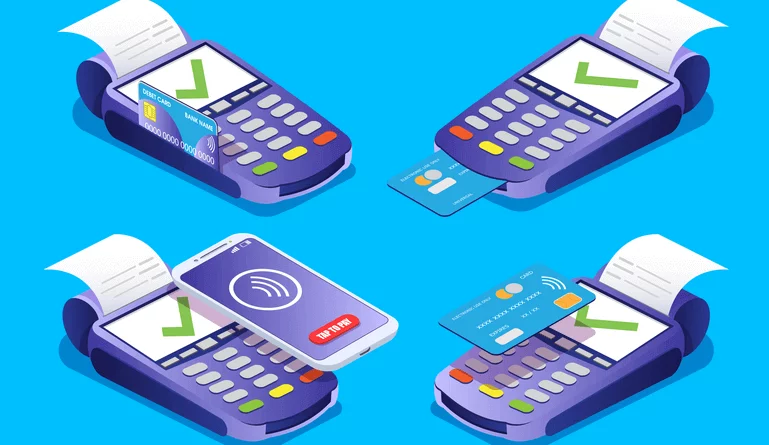
How frequently do you pause to consider the intricacy behind that simple swipe, tap, or scan at checkout? Below the surface, your POS software should handle authorization, encryption, and transaction reconciliation throughout credit cards, mobile wallets, and even emerging cryptocurrencies. Without tight integration, anticipate transaction hold-ups, double entries, or worse-- lost data that might haunt your month-to-month reports.
Professional Tips for Optimizing Payment Approach Integration
- Focus On API Compatibility: Select POS options that support Relaxing APIs for faster communication with payment processors.
- Enable Tokenization: This protects cardholder information, minimizing PCI DSS scope while speeding up checkouts.
- Test with Real Transactions: Simulated deals can't capture every peculiarity-- live tests reveal hidden friction points.
- Support Multi-Currency Handling: Specifically essential if your retail environment accommodates international shoppers or tourists.
Common Snags in Payment Integration and How to Sidestep Them
| Concern | Impact | Proactive Solution |
|---|---|---|
| Latency in Transaction Processing | Longer checkout lines, customer frustration | Optimize network bandwidth and use edge computing |
| Incompatible Payment Terminals | Lost sales due to declined or stopped working payments | Standardize hardware to match POS software application capabilities |
| Data Synchronization Errors | Incorrect sales reports and stock discrepancies | Carry out real-time sync procedures and backup mechanisms |
Individual Insights: The Checkout Line Discovery
Years ago, I experienced a busy shop where the POS system's combination with mobile payments failed throughout a holiday rush. The queue snaked around the corner; customers glanced at their watches, some deserting carts. The root cause? An overlooked firmware inequality in between payment terminals and POS software updates. This single oversight lit up how crucial thorough combination screening is-- specifically for retail environments with high transaction volumes.
Does your POS make your checkout procedure feel like a seamless dance, or is it more like a cumbersome stumble? Integration with payment techniques isn't just a backend technical information-- it's the heart beat of consumer complete satisfaction and operational efficiency. Treat it as such, and watch how your retail environment flourishes.
Guarding the Vault: Security and Data Protection in Retail POS Software Application
Envision a bustling shop where every deal is a whisper of trust in between consumer and clerk. Now, photo that whisper obstructed by a shadowy figure making use of a POS system vulnerability. It's a situation no merchant desires to deal with, yet it lurks in the underbelly of digital commerce. The core of retail POS software application security isn't simply about locking the door; it has to do with fortifying the entire fortress.
Merchants often overlook how vital the file encryption of payment data is. Encryption isn't a simple checkbox on a security list-- it's the digital equivalent of a steel safe. When information journeys through the network, look for services employing end-to-end encryption procedures such as AES-256. This makes sure that even if information packets are intercepted, they stay indecipherable.
Protecting Beyond the Swipe
Does your POS software isolate delicate information from the rest of the system? Division plays an essential function. By separating data access, merchants lower the blast radius if a breach takes place. Only licensed modules should decrypt and process customer payment info, while other parts of the system handle stock or sales analytics.
Three Professional Tips to Solidify POS Security
- Multi-Factor Authentication (MFA): Enforce MFA not simply for backend access however for cashier logins, lowering the threat of insider dangers or stolen qualifications.
- Regular Firmware Updates: POS hardware often gets ignored, however out-of-date firmware can work as an open door for attackers. Schedule updates during off-hours to avoid disturbances.
- Tokenization: Change actual card information with tokens during transactions. This obfuscates delicate info, rendering intercepted information useless.
Detecting the Unnoticeable: Tracking and Audit Trails
Security isn't just preventive; it's investigator. A robust retail POS software application should generate immutable audit logs that track every tap, swipe, and login attempt. These logs are cash cows when investigating uncommon activity, revealing subtle patterns that might mean information exfiltration.
| Security Feature | Advantage | Implementation Insight |
|---|---|---|
| End-to-End Encryption | Safeguards data in transit | Make sure AES-256 or higher encryption standards |
| Division | Limitations breach impact | Separate payment processing from other systems |
| Tokenization | Obfuscates delicate information | Use tokens instead of genuine card details during transactions |
| Audit Trails | Enables anomaly detection | Maintain unalterable logs for all transactions and accesses |
Ever question why some retailers hesitate to fully embrace cloud POS services? The fear frequently comes from uncertainty about how their consumer information is shielded. With proper file encryption and firewall program configurations, cloud systems can be as protected-- or even more so-- than conventional on-premises setups.
Eventually, security is a dance of watchfulness and technology. Retail POS software is the stage where this dance plays out, and disregarding data defense is an invite to chaos. The essential depend on adopting a layered approach: encrypt, segment, confirm, and monitor. Only then can the quiet trust in between purchaser and seller be maintained, transaction by deal.